27 Jul 2026 · 3 min read
Product-market fit is not a feeling
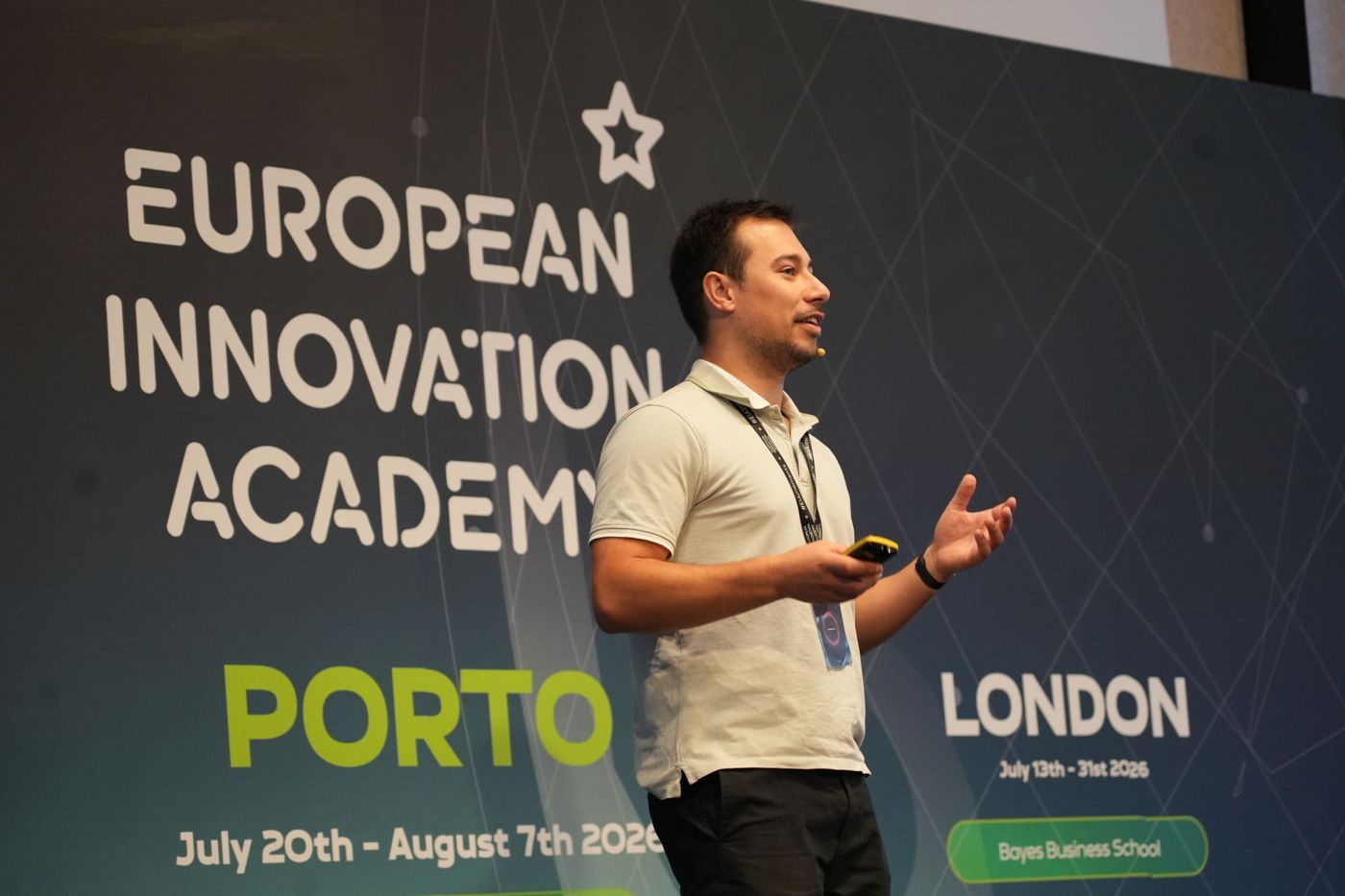
On 27 July 2026 I gave the keynote at the European Innovation Academy to around 400 students building their first startups. The title was deliberately uncomfortable: product-market fit is not a feeling. The feeling is real. It just arrives last. You can feel fit once you have it, but you can't feel your way to it.
Praise isn't a market
"This is brilliant" has a lot of relatives: a standing ovation at demo day, 300 waitlist signups, a pilot with no budget line, a letter of intent, a mentor's enthusiasm, press, getting into an accelerator. None of them is fit. A market is people with a problem and a budget. Applause is neither.
Here's the definition I use: fit is when a specific group of people changes their behaviour to keep using you, and would be annoyed if you disappeared.
The evidence ladder
Instead of asking whether it feels like fit, ask how far up the ladder you are:
- They say they like it
- They sign up
- They use it once
- They come back unprompted
- They pay
- They pay again
- They pay more
- They bring someone else, unasked
The feeling is rung one. Everything that counts is higher up.
Get in the corridor
An industry is a long corridor. Along it are doors, and behind each door is a room: a niche, a specific group of people with a specific problem. You can't find the room from outside the building. Being in the corridor shows you which doors people keep walking out of, complaining. It shows you who actually pays. You get invited in instead of knocking, and you see enough rooms to compare them.
At nobox, our corridor was healthcare. We spent years in it before we found our room.
You don't need a revolutionary product
You need to solve someone's problem and give them their time back. Sometimes that's a symptom log, a reminder, or a list sorted by who needs attention first.
You can't change the market. You can change which market.
Lexus isn't a better car than Toyota could build. It's a better market than Toyota could reach. They didn't discover Lexus. They decided it.
On Monday
- Name one person. Not a segment: a human with a name who has the problem.
- Find your corridor. What are you already near that you're treating as a detour?
- Open five doors before you choose one. Write down the ones you rejected, and why.
- Ask whose time you're giving back. If the answer is nobody, it isn't a product yet.
Get in the corridor. Open five doors. Then choose one on purpose.
For product teams: rungs three and four
The talk was for founders, but the ladder works the same inside a company. Rungs three and four, using it once and coming back unprompted, are what product teams call activation and retention. Most teams measure them. Fewer design for them.
That gap is where most of my work sits: a first session that ends with something finished, a reason to come back that doesn't depend on a reminder email, progress people can see without points or badges. Done quietly, it looks like good product design, not like a game.
If people sign up for your product and don't come back, I do a short, paid teardown of your onboarding and first week: where people stall, and what I'd change first. Get in touch. The first call is free.